

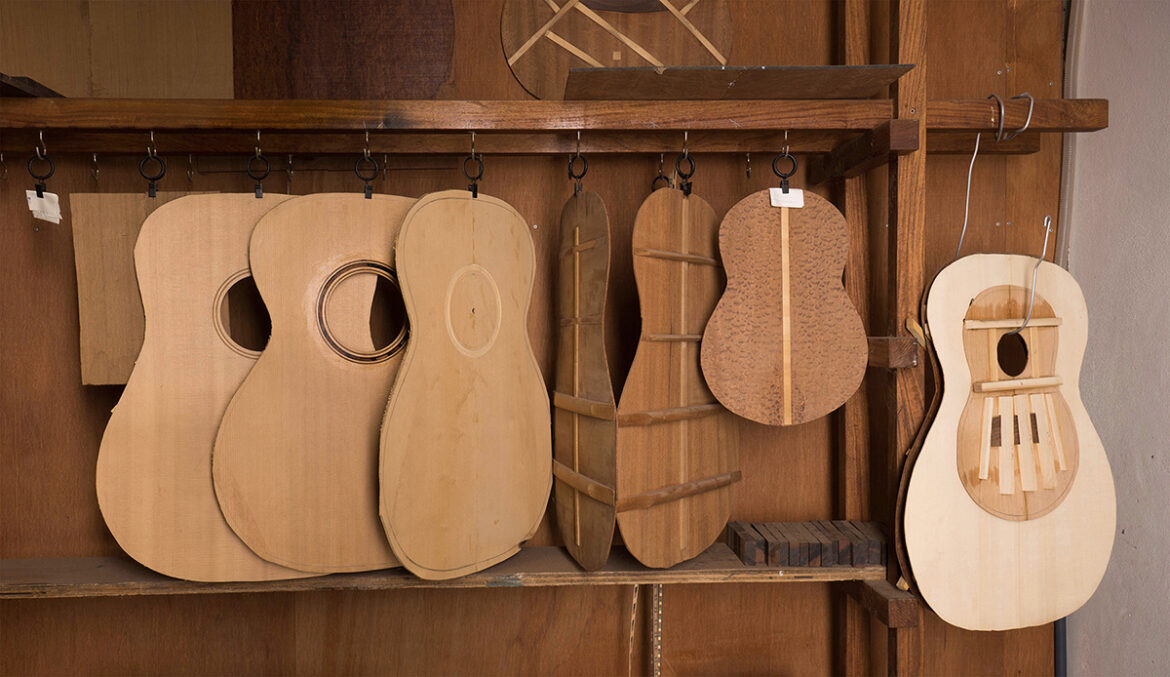
Crafting a high-quality acoustic guitar requires careful attention to every component, but the soundboard is often considered the instrument’s heart. It is the primary vibrating surface that shapes the guitar’s tone, resonance, and projection. Builders invest significant time and expertise in choosing the right materials and evaluating structural characteristics before selecting the final piece.
Table of Contents
- The Role of the Soundboard in Acoustic Guitar Tone
- Why Tonewood Matters in Soundboard Selection
- Sitka Spruce: A Preferred Choice for Builders
- Understanding Grain Structure and Wood Quality
- The Importance of Guitar Soundboard Thickness
- How the Sawmill Process Influences Soundboard Quality
- Seasoning and Aging of Tonewood
- Evaluating Resonance and Tap Tone
- Choosing a Reliable Source for Guitar Soundboards
- Quality Standards for the Best Guitar Soundboards
- Why Professional Builders Trust Experienced Tonewood Suppliers
- The Future of Acoustic Guitar Soundboards
- Conclusion
Understanding how professionals evaluate acoustic guitar soundboards can help musicians, collectors, and aspiring luthiers appreciate the craftsmanship behind a great instrument. From wood species and grain patterns to thickness and aging processes, each factor plays a critical role in determining how a guitar will sound and perform over time.
The Role of the Soundboard in Acoustic Guitar Tone
The soundboard, commonly known as the guitar top, acts as the main amplifier of string vibrations. When strings are plucked, their energy transfers to the top plate, which vibrates and projects sound through the body of the instrument.
Among all guitar components, acoustic guitar soundboards contribute the most to tonal characteristics such as:
- Volume and projection
- Sustain and clarity
- Dynamic response
- Overall tonal balance
Because of this, builders focus heavily on selecting premium tonewood and ensuring the top is prepared correctly before it becomes part of a finished instrument.
Why Tonewood Matters in Soundboard Selection
Different wood species produce distinct tonal qualities. Builders carefully match wood characteristics with the type of guitar they want to create.
A traditional tonewood soundboard is typically chosen for its combination of strength, elasticity, and responsiveness. These properties allow the wood to vibrate freely while maintaining structural stability under string tension. Commonly used tonewoods include spruce, cedar, and redwood, each offering unique tonal personalities.
Sitka Spruce: A Preferred Choice for Builders
Among available tonewoods, Sitka spruce soundboards remain one of the most popular choices for professional guitar builders.
Why Sitka Spruce is Widely Used
Sitka spruce offers a balanced combination of stiffness and light weight, which allows it to respond quickly to string vibrations.
Key advantages include:
- Excellent strength-to-weight ratio
- Clear and powerful projection
- Wide dynamic range
- Versatility across many playing styles
Because of these qualities, many luthiers consider Sitka spruce among the best guitar soundboards for beginner and professional instruments.
Understanding Grain Structure and Wood Quality
When selecting acoustic guitar soundboards, builders closely examine the wood’s grain pattern.
Tight and Even Grain
A tight, consistent grain often indicates slow tree growth and higher density, which can contribute to improved tonal clarity and structural strength.
Straight Grain Alignment
Straight grain lines running parallel along the length of the soundboard help maintain stability and reduce the risk of warping.
Minimal Imperfections
Builders also inspect the wood for knots, irregular grain, or resin pockets that may affect sound quality or structural reliability.
Careful inspection ensures the selected wood will vibrate evenly and deliver a consistent tone.

The Importance of Guitar Soundboard Thickness
Another critical factor in soundboard selection is guitar soundboard thickness. Even small differences in thickness can dramatically affect how the guitar sounds.
A thinner soundboard generally produces:
- Greater sensitivity
- Warmer and more responsive tone
- Easier vibration
However, if the soundboard becomes too thin, it may compromise structural strength.
A thicker soundboard tends to offer:
- Greater durability
- Stronger projection
- More headroom for aggressive playing
Experienced builders carefully carve and adjust the thickness of the guitar soundboard to balance tone and strength. This process, known as “voicing the top,” allows the instrument to achieve optimal resonance.
How the Sawmill Process Influences Soundboard Quality
The journey of premium soundboards begins long before the guitar is constructed. The harvesting and preparation of tonewood at the sawmill stage greatly affect the final product. High-quality sawmills carefully process logs to ensure that soundboard blanks are cut with the proper orientation. Quarter-sawn wood is commonly preferred because it enhances stability and helps maintain consistent grain alignment.
Proper milling techniques also reduce internal stress within the wood, which can improve resonance and durability. Reliable sawmill service providers understand how critical these details are for luthiers seeking premium guitar materials.
Seasoning and Aging of Tonewood
Before becoming a guitar soundboard, tonewood must be properly seasoned. Seasoning allows moisture within the wood to stabilize, which improves structural reliability and tonal performance. Builders typically look for tonewood that has been naturally air-dried or carefully kiln-dried.
Proper seasoning offers several advantages:
- Reduced risk of cracking or warping
- Improved tonal stability
- Enhanced resonance over time
Many builders believe that older, well-seasoned wood produces richer tonal complexity.
Evaluating Resonance and Tap Tone
One of the most traditional techniques used by luthiers when selecting acoustic guitar soundboards is tap testing. Builders lightly tap the wood and listen to how it resonates. The sound produced can reveal important clues about tonal potential. A high-quality soundboard often produces a clear, bell-like tone when tapped. This indicates good stiffness and responsiveness, both essential qualities for a resonant guitar top. While modern tools and measurements are helpful, many builders still rely on their trained ears to evaluate resonance.
Choosing a Reliable Source for Guitar Soundboards
For builders and hobbyists searching for tonewood, sourcing materials from trusted suppliers is essential. Many luthiers prefer to purchase guitar soundboards online from specialized tonewood providers that specialize in instrument-grade wood.
Suppliers such as Pacific Rim Tonewoods offer carefully prepared soundboards that meet the strict requirements of professional guitar construction. Their experience working with instrument woods helps ensure that each piece meets the expectations of builders.
When selecting soundboards online, it is important to consider the supplier’s reputation, wood grading process, and preparation methods.

Looking for premium soundboards for your next guitar build? Discover expertly selected tonewoods and quality craftsmanship at Pacific Rim Tonewoods. Visit our site today and explore materials trusted by builders to create guitars with exceptional tone and resonance.
Quality Standards for the Best Guitar Soundboards
To produce outstanding instruments, builders typically look for several key characteristics in the best guitar soundboards:
- Strong yet lightweight wood
- Consistent grain patterns
- Properly seasoned tonewood
- Balanced stiffness and flexibility
- Minimal visual imperfections
These factors contribute not only to sound quality but also to the instrument’s longevity. By carefully evaluating each piece of tonewood, builders can ensure that every guitar they create delivers exceptional tonal performance.
Why Professional Builders Trust Experienced Tonewood Suppliers
Selecting soundboards from experienced suppliers helps builders maintain consistent quality in their instruments. Specialized suppliers understand the needs of luthiers and often provide carefully graded wood ready for instrument construction.
Companies like Pacific Rim Tonewoods combine expertise in tonewood selection with professional preparation methods. Their focus on high-quality materials and reliable sawmill service allows builders to access premium wood for their instruments. This attention to detail helps ensure that every soundboard has the potential to produce outstanding tone.
The Future of Acoustic Guitar Soundboards
As guitar making continues to evolve, builders are exploring new ways to improve tone and sustainability. Advanced wood analysis, improved drying methods, and responsible forestry practices are helping ensure that quality tonewood remains available for future generations.
However, the fundamental principles of selecting great acoustic guitar soundboards remain rooted in tradition. Builders still rely on their experience, knowledge of wood behavior, and careful craftsmanship to create instruments that inspire musicians.
Conclusion
Choosing the right soundboard is one of the most important decisions in acoustic guitar construction. From wood species and grain patterns to thickness and seasoning, every detail contributes to the final sound of the instrument.
Builders carefully evaluate each piece of tonewood to ensure it offers the right balance of strength, responsiveness, and tonal character. By sourcing materials from trusted suppliers such as Pacific Rim Tonewoods, luthiers can access premium soundboards that meet the highest standards of guitar making.
Whether you are a professional builder, an aspiring luthier, or a musician interested in craftsmanship, understanding how acoustic guitar soundboards are selected provides valuable insight into what makes a truly great instrument.
Frequently Asked Questions
What makes acoustic guitar soundboards so important?
The soundboard is the main surface that amplifies string vibrations. Its material, thickness, and construction greatly influence the guitar’s tone, projection, and responsiveness.
Why are Sitka spruce soundboards popular among builders?
For many builders, Sitka spruce soundboards deliver great strength, light weight, and balanced tone.This makes them suitable for many playing styles and one of the most commonly used tonewoods in guitar construction.
How does guitar soundboard thickness affect tone?
Guitar soundboard thickness determines how easily the top vibrates. Thinner tops tend to produce warmer, more responsive tones, while thicker tops offer greater strength and projection.
Can builders purchase guitar soundboards online?
Yes, many professional suppliers offer guitar soundboards online for builders and hobbyists. These suppliers provide instrument-grade tonewood that has been properly processed and seasoned.
What qualities define the best guitar soundboards?
The best guitar soundboards typically feature straight grain, lightweight structure, strong stiffness, and properly seasoned wood. These characteristics help produce a clear tone, strong resonance, and long-lasting durability.