
The rapid growth of artificial intelligence, cloud computing, machine learning, and high-performance computing is transforming the way data centers operate. As processing power increases, so does the amount of heat generated by servers and computing equipment. Managing this heat efficiently has become one of the most important challenges facing modern facilities in Canada. Among these innovations, coldplate loops have emerged as a critical component of modern thermal management strategies.
Table of Contents
- Understanding Coldplate Loops
- Why Modern Data Centers Need Advanced Cooling?
- Key Benefits of Coldplate Loops
- Components of a Coldplate Loop System
- The Importance of Custom Coldplate Loops
- The Role of Custom Cold Plate Design Services
- Future Trends in Liquid Cooling Technology
- Conclusion
Understanding Coldplate Loops
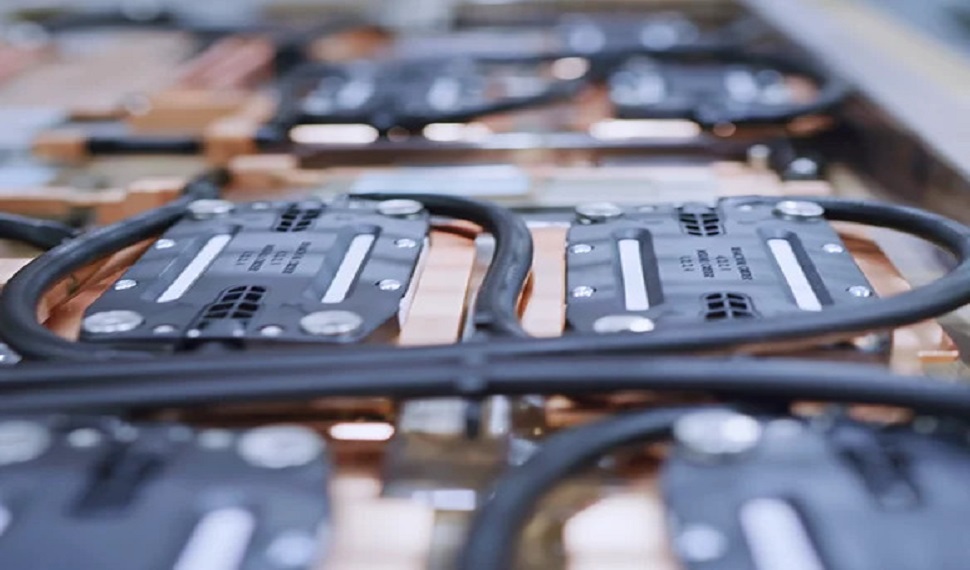
A coldplate loop is a liquid-based cooling solution designed to remove heat directly from electronic components such as CPUs, GPUs, memory modules, and accelerators. Unlike traditional air-cooling systems that rely on moving large volumes of air through server racks, liquid cooling transfers heat using a circulating coolant. This approach enables significantly more efficient heat removal while reducing the overall cooling burden within the facility.
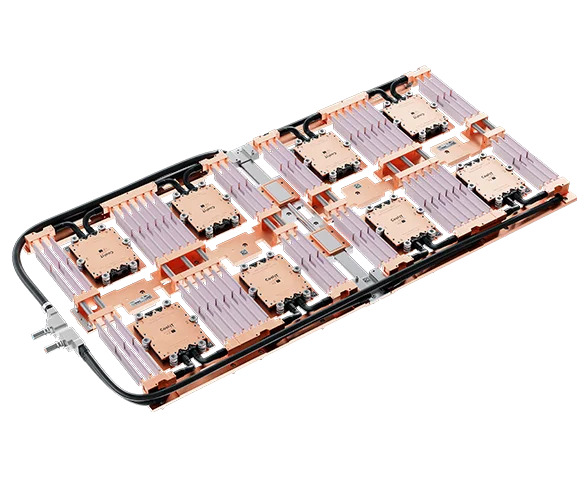
In a typical liquid cooling loop, coolant flows through specially engineered coldplate loops attached to heat-generating components. The coolant absorbs thermal energy and transports it away from the equipment, where it can be dissipated through a heat exchanger or cooling infrastructure. This direct-contact cooling method allows operators to manage higher thermal loads while maintaining stable operating temperatures.
Why Modern Data Centers Need Advanced Cooling?
The evolution of computing workloads has dramatically changed cooling requirements. Many modern server racks now exceed power levels that traditional air-cooling systems were originally designed to handle. As a result, operators are seeking solutions that deliver higher cooling performance while minimizing energy consumption.
Several factors are driving the need for more efficient thermal management:
- Increased rack power densities
- Growing adoption of AI and machine learning applications
- Expansion of cloud infrastructure
- Rising energy efficiency expectations
- Sustainability and carbon reduction goals
This is where coldplate loops provide significant advantages.
Key Benefits of Coldplate Loops
Improved Thermal Performance
One of the primary benefits of liquid-based cooling systems is their ability to remove heat more efficiently than air. Liquids have a much higher heat transfer capacity than air, allowing them to capture and transport thermal energy more effectively. This helps maintain optimal operating temperatures for critical computing equipment.
Consistent thermal management can contribute to:
- Enhanced server performance
- Reduced thermal throttling
- Greater system reliability
- Improved hardware longevity
Higher Energy Efficiency
Cooling systems represent a significant portion of a data center’s energy consumption. By using direct liquid cooling, facilities can often reduce the workload placed on traditional HVAC systems. This can improve overall energy efficiency and reduce operational costs. Efficient thermal management also supports broader environmental and sustainability objectives.
Support for High-Density Computing
Modern workloads often require dense deployments of CPUs, GPUs, and specialized accelerators. A properly engineered coldplate loop assembly can manage thermal loads that exceed the practical capabilities of conventional air-cooling solutions. This enables organizations to maximize computing power within existing facility footprints.
Reduced Airflow Requirements
Because heat is removed directly from components, reliance on large-scale air circulation systems is reduced.
This can help reduce:
- Fan power consumption
- Noise levels
- Hot spots within server environments
- Airflow management complexity
Scalability for Future Growth
As technology continues to evolve, cooling demands will likely increase. Liquid cooling solutions provide a scalable framework that can adapt to future hardware generations and growing computational requirements in Canada.
Components of a Coldplate Loop System
Understanding the key components of a liquid cooling system helps illustrate why these solutions are so effective.
Cold Plates
Cold plates are thermally conductive devices mounted directly onto heat-producing components. They are often manufactured using advanced engineering techniques that maximize heat transfer efficiency. Many providers offer copper cold plate design solutions because copper delivers excellent thermal conductivity and durability.
Coolant Circuit
The coolant circuit transports thermal energy away from computing hardware.
This network typically includes:
- Coolant channels
- Tubing
- Connectors
- Flow control mechanisms
Together, these elements create a continuous heat removal pathway.
Pumping System
Pumps ensure consistent coolant circulation throughout the system. Proper flow rates are essential for maintaining reliable thermal performance. CoolIT Systems ensures optimized liquid cooling efficiency.
Heat Rejection Infrastructure
Once heat is absorbed by the coolant, it must be transferred away from the liquid. Heat exchangers and facility cooling infrastructure help complete this process while maintaining system efficiency.
The Importance of Custom Coldplate Loops
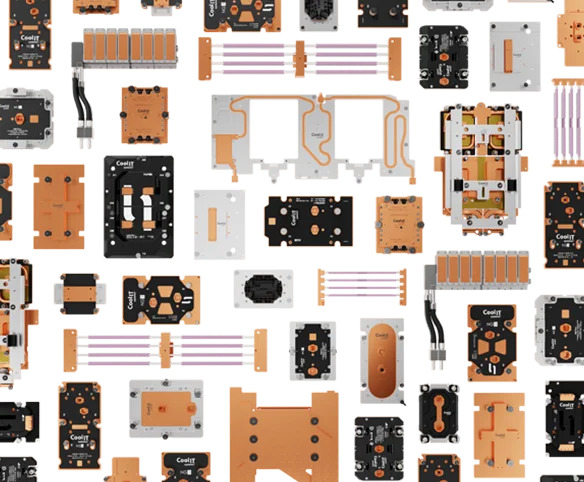
Differences in hardware configurations, rack densities, facility layouts, and workload demands often require tailored cooling strategies. This is why many organizations invest in custom coldplate loops designed specifically for their operational needs.
Customized solutions can help optimize:
- Thermal performance
- Space utilization
- Infrastructure integration
- Long-term scalability
- Operational efficiency
A tailored approach ensures that cooling systems align with both current and future requirements.
When Custom Solutions Make Sense
Its solutions are designed to address the challenges associated with high-density computing while promoting energy-efficient operations. By focusing on scalable cooling architectures, CoolIT Systems continues to advance next-generation data center infrastructure.
Organizations may benefit from custom implementations when:
- Deploying specialized AI infrastructure
- Managing unusually high rack densities
- Integrating legacy and modern equipment
- Expanding existing liquid cooling environments
In these situations, working with experienced providers can help ensure effective system design and implementation.
The Role of Custom Cold Plate Design Services
Designing efficient thermal management systems requires extensive engineering expertise. Professional custom cold plate design services focus on creating cooling solutions that meet the specific thermal characteristics of a given application.
Factors often considered include:
- Heat load requirements
- Flow distribution
- Material selection
- Component placement
- Reliability expectations
These design considerations can significantly influence overall cooling performance and system longevity. Organizations operating advanced computing environments frequently rely on specialized engineering support to maximize cooling effectiveness.
Future Trends in Liquid Cooling Technology
The future of data center cooling is increasingly connected to liquid-based thermal management.
Several trends are shaping the industry:
AI-Driven Infrastructure Growth
AI applications are generating unprecedented thermal demands, accelerating the adoption of advanced cooling technologies in Canada.
Greater Sustainability Focus
Organizations continue to prioritize energy efficiency and environmental responsibility. Liquid cooling can play an important role in achieving sustainability objectives.
Higher Rack Densities
As hardware becomes more powerful, rack densities will continue to increase. Direct liquid cooling solutions are well-positioned to support these evolving requirements.
Increased Customization
Demand for specialized cooling architectures is expected to grow, driving further innovation in custom coldplate loops and thermal engineering solutions.
Frequently Asked Questions
What are coldplate loops used for?
Coldplate loops are used to remove heat directly from high-performance electronic components such as CPUs, GPUs, and accelerators. They help improve thermal management in modern computing environments.
How does a liquid cooling loop differ from air cooling?
A liquid cooling loop transfers heat using circulating coolant, while air cooling relies on airflow. Liquid cooling generally provides more efficient heat removal for high-density systems.
What materials are commonly used in cold plates?
Copper is one of the most common materials due to its excellent thermal conductivity. Many advanced systems use optimized copper cold plate design techniques to enhance performance.
Are custom coldplate loops necessary for every data center?
Not always. Standard solutions may be sufficient for some environments. However, facilities with unique requirements or high-density workloads often benefit from customized designs.
Why are custom cold plate design services important?
Custom design services help ensure that cooling systems are optimized for specific thermal loads, hardware configurations, and operational goals, improving overall efficiency and reliability.
Conclusion
As data centers continue to support increasingly demanding digital workloads, efficient thermal management has become a strategic necessity rather than a technical preference. By delivering direct heat removal, improving energy efficiency, and supporting high-density computing environments, coldplate loops are helping organizations address today’s cooling challenges while preparing for future growth. Unlock higher efficiency, stronger scalability, and improved thermal performance. Use the map to connect with CoolIT Systems and explore advanced coldplate loop solutions for your facility.