
In modern manufacturing, precision and efficiency are critical. Roll-to-sheet cutting machines have become a cornerstone in industries that require continuous material cutting from large rolls. Whether in the packaging, printing, or textile industries, these machines transform roll-fed materials into individual sheets with utmost accuracy. This article dives into everything you need to know about roll-to-sheet cutting machines: their functions, benefits, industrial applications, key components, and how they can optimize your production processes.
What is a Roll-to-Sheet Cutting Machine?
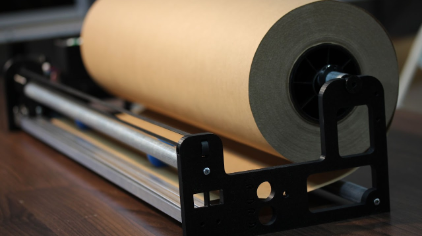
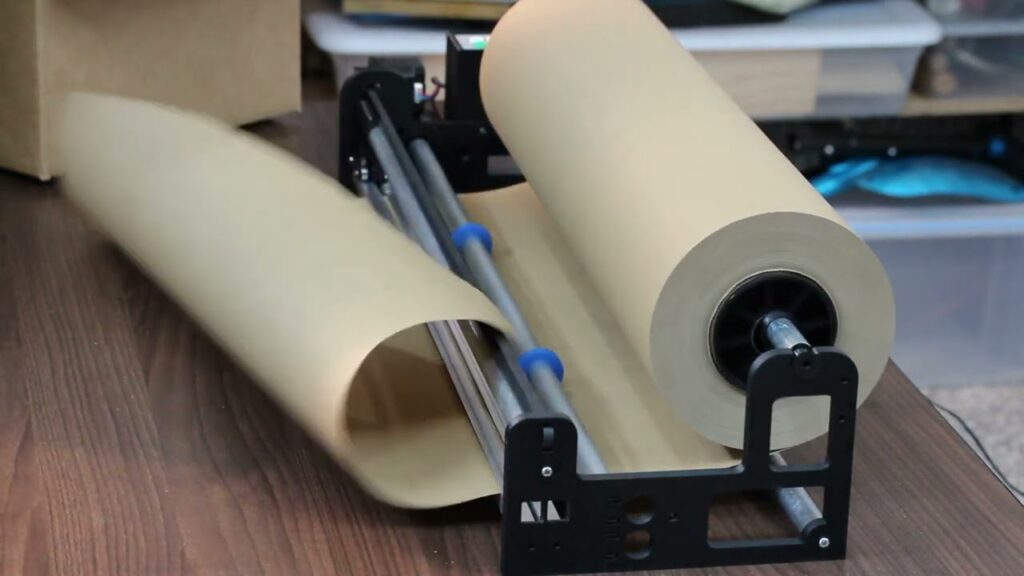
A Roll to Sheet Cutting Machine is a specialized piece of industrial equipment designed to cut large rolls of materials (such as paper, plastic, fabric, or metal foils) into sheets of specified dimensions. These machines are critical for converting raw material rolls into usable products for various industries.
How Does a Roll-to-Sheet Cutting Machine Work?
Roll-to-sheet cutting machines work on a relatively simple principle: material is unwound from a roll, guided through a series of rollers, and cut into sheets. The cutting mechanism can vary depending on the type of machine, but the core process includes the following steps:
Feeding
The process begins with the material being unwound from a large roll. This roll holds the raw material, which could be paper, fabric, or other flexible substrates, depending on the production needs. The unwinding process is carefully controlled to ensure that the material is dispensed at a consistent speed, avoiding any tangling or uneven tension that could affect the downstream processes.
Alignment
After the material is unwound, it passes through a series of rollers designed to ensure it remains straight and properly aligned. This step is crucial because even slight misalignment can lead to inaccurate cutting or creasing, compromising the final product. Precision sensors or mechanical guides are often used to maintain exact alignment throughout the process.
Cutting
Once the material is properly aligned, it reaches the cutting stage. Various cutting mechanisms can be used depending on the material and the desired precision. Mechanical blades, lasers, or rotary cutters may slice the material into predetermined lengths or shapes. This process is automated to maintain speed and accuracy, ensuring that each piece is consistent in size and shape.
Sheet Collection
After the cutting is completed, the sheets are collected for further processing. Depending on the operation, they may be stacked in neat piles or transported via conveyor belts to the next stage of production, such as packaging, folding, or assembly. The collection process is carefully managed to avoid damaging the freshly cut sheets, ensuring they remain in pristine condition for the next steps.
Key Benefits of Roll-to-Sheet Cutting Machines
Precision and Accuracy
Roll-to-sheet cutting machines are designed to deliver consistent and precise sheet dimensions, which is critical for industries where exact specifications are non-negotiable. This high level of precision ensures that each cut meets the required standards, reducing errors and rework. As a result, businesses benefit from minimized material waste and a more uniform, higher-quality product, making these machines indispensable in fields such as packaging, printing, and manufacturing.
High Efficiency
Automated roll-to-sheet cutting systems significantly enhance production speed, eliminating the need for time-consuming manual cutting. This automation allows for faster processing of large volumes of material, resulting in increased throughput and overall productivity. With machines running more efficiently, downtime is minimized, which helps manufacturers meet tight deadlines and manage high-demand periods with ease.
Versatility
One of the major advantages of roll-to-sheet cutting machines is their ability to handle a wide variety of materials. Whether cutting paper, plastic, metal, textiles, or composite materials, these machines provide a versatile solution for different industries. This adaptability makes them ideal for businesses that need to process multiple types of materials without having to invest in separate cutting equipment for each material type.
Cost-Effectiveness
Roll-to-sheet cutting machines help businesses save money by reducing both material wastage and labor costs. By delivering precise cuts and minimizing errors, these machines ensure that raw materials are used more efficiently. Additionally, the automation of the cutting process reduces the need for manual labor, lowering operational costs and improving overall profitability in the long run.
Increased Efficiency
Roll-to-sheet cutting machines streamline the cutting process by automating the conversion of rolls into sheets. This automation eliminates the need for manual cutting, drastically reducing the time required to produce large quantities. It also frees up workers to focus on other tasks, boosting overall operational efficiency. As a result, businesses can meet production targets faster and more reliably.
Consistency and Precision
These machines are designed to offer high precision, ensuring that every sheet produced is uniform in size and quality. This level of accuracy is especially important in industrial settings where consistency is critical for product standards. The automated nature of the machine minimizes human error, maintaining uniformity in each cut, which leads to a more professional and reliable output.
Cost Savings
Roll-to-sheet cutting machines contribute to cost savings by reducing material waste and minimizing labor errors. Since the machines are optimized to make precise cuts, businesses use raw materials more efficiently, reducing the amount of excess waste. Additionally, automation decreases the need for manual labor, leading to savings in labor costs and improving profitability in the long run.
Minimal Downtime
Designed for continuous operation, roll-to-sheet cutting machines require minimal human intervention and are capable of running for extended periods without interruption. With features like automated feeding and cutting systems, these machines are able to maintain production with little to no downtime. This reliability not only ensures consistent output but also reduces maintenance and operational costs, making them a dependable asset for any production line.
Industrial Applications of Roll-to-Sheet Cutting Machines
Roll-to-sheet cutting machines are used across various industries where raw materials come in rolls and need to be cut into smaller, manageable sizes. Some prominent industries include.
Packaging Industry
In the packaging industry, roll-to-sheet cutting machines are crucial for processing materials such as cardboard, corrugated paper, and plastic films. These materials are cut into precise shapes and sizes for creating boxes, wraps, pouches, and other packaging solutions. The accuracy of these machines ensures that packaging products fit perfectly and maintain structural integrity, which is essential for protecting goods during transport and storage.
Printing Industry
Roll-to-sheet cutting machines are widely used in the printing industry to prepare paper for presses. Large rolls of paper are cut into individual sheets, which must be perfectly aligned to ensure accurate printing. Precision is key in this industry, as even slight deviations in sheet dimensions or alignment can lead to misprints or wasted materials, making these machines invaluable for efficient, high-quality production.
Textile Industry
The textile industry relies on roll-to-sheet cutting machines to process fabric rolls into sheets for a variety of uses. Whether for clothing, upholstery, or industrial applications, these machines ensure that fabric is cut to the exact dimensions required for manufacturing. By automating the cutting process, textile manufacturers can improve speed and reduce fabric waste, making their operations more cost-effective and efficient.
Automotive Industry
In the automotive industry, roll-to-sheet cutting machines are used to cut specialty materials like composites, rubber, and leather into sheets of specific sizes. These materials are then utilized for various components, including interior upholstery, seals, and insulation. The ability to cut these materials with precision is crucial for ensuring they fit seamlessly into the complex assemblies of modern automobiles.
Medical Industry
Roll-to-sheet cutting machines are also essential in the medical industry, where they are used to cut materials like medical-grade paper, fabric, and films into sheets. These sheets are then used in the production of sterile packaging, disposable gowns, bandages, and other medical supplies. Precision and cleanliness are paramount in this industry, and these machines help ensure that medical products meet strict safety and quality standards.
FAQs
What materials can be cut using a roll-to-sheet cutting machine?
Roll-to-sheet cutting machines can cut various materials, including paper, plastic films, metals, textiles, and composites.
What industries benefit most from roll-to-sheet cutting machines?
Industries such as packaging, printing, textiles, automotive, and medical manufacturing benefit significantly from these machines.
How do I maintain a roll-to-sheet cutting machine?
Regular maintenance includes cleaning the cutting blades, lubricating moving parts, and ensuring the control systems are updated and calibrated.
Are roll-to-sheet cutting machines customizable?
Yes, many manufacturers offer customizable options to suit specific materials, cutting sizes, and industry needs.
How precise are the cuts made by roll-to-sheet cutting machines?
Machines with advanced control systems, like servo motors or laser cutters, offer extremely high precision, often within a millimeter of accuracy.
Conclusion
Roll-to-sheet cutting machines are vital in industries that handle bulk materials in roll form, offering precision, efficiency, and versatility. By investing in the right machine, businesses can significantly streamline production, reduce waste, and improve overall productivity. Whether you’re in the packaging, textile, or medical industry, a roll-to-sheet cutting machine can be a valuable addition to your manufacturing process.