

When it comes to enhancing the aesthetics, privacy, and security of your property, choosing the right type of wood for your fence cladding is paramount. With a plethora of options available in the market, selecting the best wood for fencing can be a daunting task. In this comprehensive guide, we’ll delve into the various factors to consider when selecting fence cladding, the characteristics of different types of wood, and ultimately, help you make an informed decision to ensure your fence stands the test of time.
Table of Contents
Understanding the Importance of Fence Cladding
Fence cladding serves as the outermost layer of your fence, providing both functional and aesthetic benefits. Not only does it offer privacy and security by acting as a barrier between your property and the outside world, but it also adds to the visual appeal of your landscape. Moreover, fence cladding serves as a protective layer, shielding the underlying structure from harsh weather conditions, rot, and decay.
Factors to Consider When Choosing Wood for Fencing
Durability
One of the most crucial factors to consider when selecting wood for fencing is durability. Opting for a durable wood species ensures longevity and reduces the need for frequent maintenance. Hardwoods such as redwood and cedar are renowned for their natural resistance to rot, decay, and insect infestation, making them ideal choices for fence cladding.
Maintenance Requirements
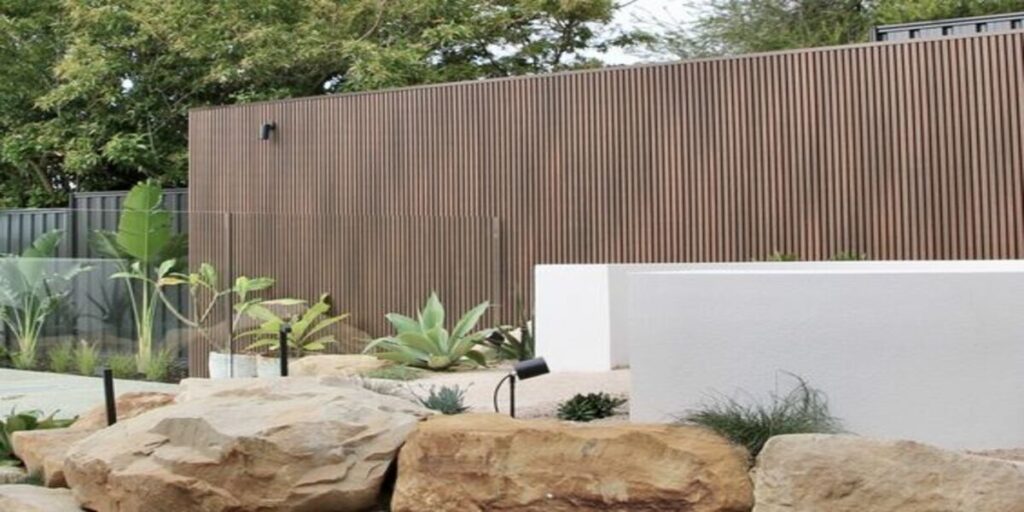
Another important consideration is the maintenance requirements of the wood. While some wood species require regular staining, sealing, or painting to maintain their appearance and integrity, others possess natural oils and resins that make them more resistant to decay and weathering.
Western red cedar and pressure-treated pine are low-maintenance options that offer excellent durability and aesthetics.
Aesthetic Appeal
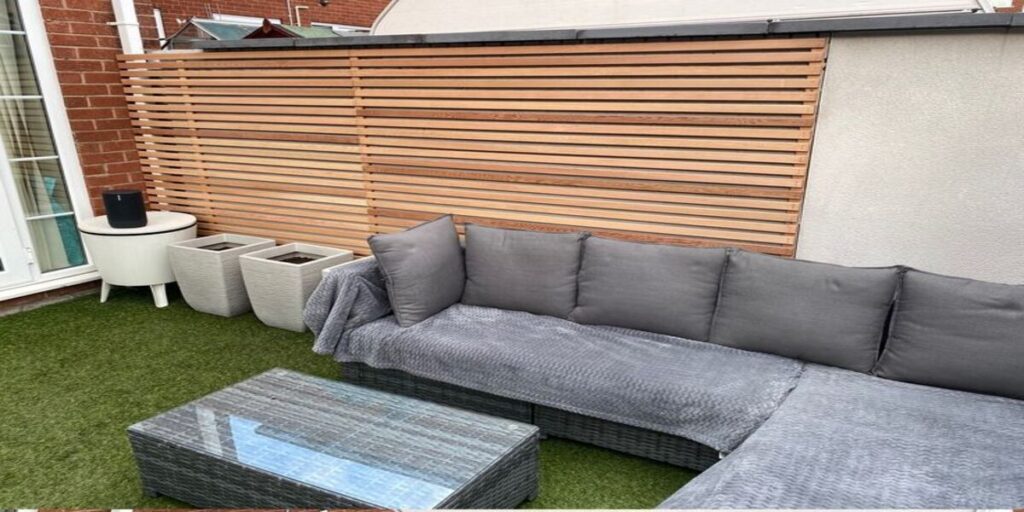
The aesthetic aspect plays a significant role in the selection process, as the appearance of your fence can greatly impact the overall look of your property. Different wood species exhibit unique grain patterns, colors, and textures, allowing you to choose a style that complements your home’s architecture and landscaping. From the warm tones of redwood to the rustic charm of cedar, there’s a wood species to suit every taste and preference.
Cost
Cost is another crucial factor to consider, as it can significantly impact your budget for the fencing project. While some wood species may come with a higher upfront cost, they often prove to be more cost-effective in the long run due to their durability and low maintenance requirements. It’s essential to weigh the initial investment against the long-term benefits to make an informed decision that aligns with your budget and preferences.
Popular Wood Species for Fence Cladding
Redwood
Renowned for its rich, reddish-brown hue and natural resistance to decay and insects, redwood is a popular choice for fence cladding. Its straight grain and smooth texture lend a timeless elegance to any landscape, making it an excellent option for both traditional and contemporary settings. While redwood may come with a higher price tag, its exceptional durability and aesthetic appeal make it a worthwhile investment for discerning homeowners.
Cedar
Cedar is another top contender for fence cladding, prized for its natural beauty and exceptional durability. Western red cedar, in particular, boasts a distinct reddish-brown color and a pleasant aroma that adds to its allure. Beyond its visual appeal, cedar contains natural oils and resins that protect against decay, rot, and insect damage, making it an excellent choice for outdoor applications. While cedar may require occasional maintenance to preserve its appearance, its longevity and charm make it a popular option for fences of all styles.
Pressure-Treated Pine
Pressure-treated pine is a cost-effective option for fence cladding, offering durability and versatility at an affordable price point. Through a process of pressure treatment, pine is infused with preservatives that enhance its resistance to decay, rot, and insect infestation, making it suitable for outdoor use. While pressure-treated pine may lack the natural beauty of redwood or cedar, it can be stained or painted to achieve the desired look while providing long-lasting performance and value.
Conclusion
Choosing the best wood for fencing requires careful consideration of factors such as durability, maintenance requirements, aesthetic appeal, and cost. By weighing these factors and selecting a wood species that aligns with your preferences and budget, you can ensure that your fence cladding not only enhances the beauty and security of your property but also stands the test of time. Whether you opt for the timeless elegance of redwood, the rustic charm of cedar, or the affordability of pressure-treated pine, investing in quality wood for your fence is an investment in the long-term beauty and value of your home.