
Missing teeth can make everyday meals uncomfortable. Chewing meat, biting into fresh fruit, or enjoying crunchy vegetables may become difficult when gaps affect your bite. An experienced implant dentist in Century City can evaluate these problems and recommend suitable tooth replacement options to restore oral function.
Table of Contents
- How Can an Implant Dentist in Century City Improve Chewing Comfort?
- Why Missing Teeth Can Affect Everyday Eating
- How Dental Implants Help Restore Chewing Function
- How an Implant Dentist in Century City Plans for Comfortable Chewing
- What Happens During Dental Implant Treatment?
- When Can Patients Eat Normally After Implant Surgery?
- Potential Risks and Important Treatment Considerations
- Practical Tips for Maintaining Implant Comfort
- Conclusion
Dental implants can improve chewing comfort by supporting stable replacement teeth. Once healing is complete, they may help patients bite and chew a wider variety of foods with greater confidence. However, results depend on jawbone health, implant placement, and individual treatment needs.
How Can an Implant Dentist in Century City Improve Chewing Comfort?
An implant dentist in Century City examines missing teeth, jawbone strength, gum health, and bite alignment to determine whether implants can improve chewing function.
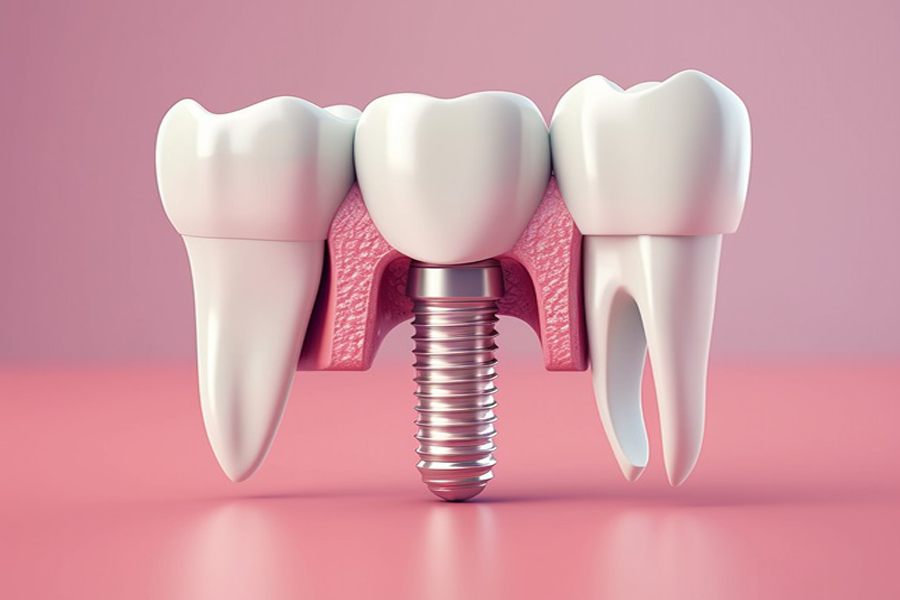
Natural teeth have roots that anchor them within the jaw. When you lose a tooth, nearby teeth may shift, and chewing pressure can become uneven.
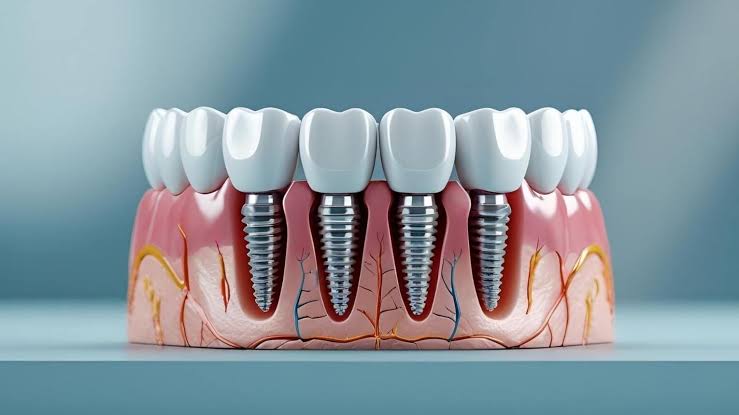
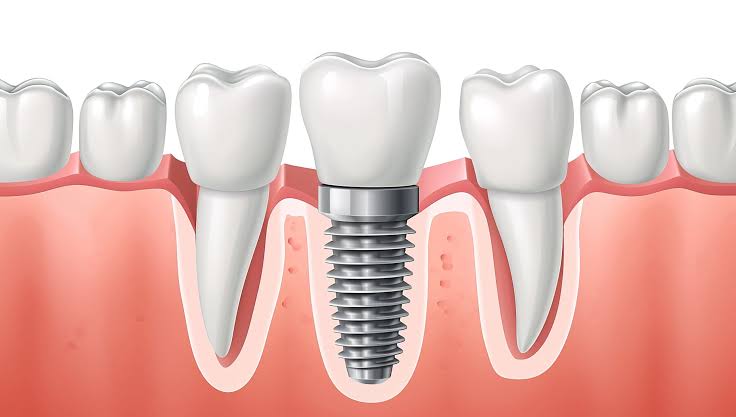
A dental implant replaces the missing root with a titanium post that supports an artificial tooth. During healing, the surrounding bone bonds with this post, creating a stable foundation for a crown, bridge, or denture.
Implant-supported restorations may provide several benefits:
- Greater stability when biting and chewing
- Better support for replacement teeth
- Reduced movement compared with loose dentures
- Improved distribution of chewing pressure
- Greater comfort when eating different foods
These benefits depend on successful healing, proper restoration design, and ongoing oral care.
Why Missing Teeth Can Affect Everyday Eating
Missing teeth can change how the mouth handles food. Even one missing molar may make it harder to chew certain foods properly.
Reduced Biting and Chewing Ability
Front teeth help bite into food, while back teeth crush and grind it. Losing these teeth can affect normal eating habits.
For example, someone missing several molars may avoid apples, nuts, or firmer vegetables because chewing becomes difficult.
Changes in Bite Alignment
When a missing tooth leaves an untreated gap, nearby teeth may gradually tilt or shift toward the empty space.
These changes can affect how upper and lower teeth meet, sometimes creating uneven pressure during meals.
Discomfort From Loose Dentures
Traditional dentures help replace missing teeth, but poorly fitting appliances can move while eating. This movement may irritate gum tissue and make certain foods harder to eat.
Implant-supported restorations provide additional stability for suitable patients, potentially improving everyday comfort.
How Dental Implants Help Restore Chewing Function
The primary purpose of advanced dental implants in Century City is to replace missing teeth with stable restorations that support natural oral function.
Unlike removable appliances that rest mainly on gum tissue, implants transfer chewing forces through their supporting structures into the jawbone.
Improved Stability During Meals
When treatment is successful, an implant-supported crown stays securely attached during normal function.
This stability can reduce unwanted movement and help patients feel more comfortable while eating.

Century Smile Maker offers personalized dental care in Century City, Los Angeles. Get expert guidance on dental implants, cosmetic treatments, and preventive care. Book your visit today!
Better Food Breakdown
Replacement teeth restore chewing surfaces that help break food into smaller pieces.
Patients may find it easier to manage cooked vegetables, bread, and other everyday foods once the final restoration fits properly.
Support for Jawbone Health
After tooth loss, the surrounding jawbone may gradually shrink because it loses normal stimulation.
Implants can help preserve supporting bone by transferring functional pressure into the jaw. However, they do not guarantee that all future bone loss will stop.
How an Implant Dentist in Century City Plans for Comfortable Chewing
Successful treatment begins with a detailed examination, not immediate surgical placement.
An implant dentist in Century City considers bone volume, available space, neighboring teeth, and bite forces before selecting the appropriate restoration.
Jawbone and Gum Evaluation
Healthy jawbone provides essential support for an implant. When bone volume is insufficient, a grafting procedure may be necessary.
Active periodontal disease also requires attention because unhealthy gum tissues can increase treatment complications.
Medical History Assessment
Overall health can influence healing and long-term outcomes.
For example, uncontrolled diabetes, tobacco use, and certain medications may increase surgical or healing risks. A complete medical review helps identify these concerns.
Selection of Replacement Teeth
The number and location of missing teeth determine which restoration may work best.
Available options include individual implant crowns, implant-supported bridges, and full-arch restorations. A qualified dentist in Century City can explain the advantages and limitations of each approach.
What Happens During Dental Implant Treatment?
Dental implant treatment typically involves several appointments. The exact timeline depends on bone quality, healing progress, and whether additional procedures are needed.
1. Initial Consultation
The dentist examines your mouth and reviews diagnostic imaging to assess your jawbone and identify suitable implant positions.
2. Personalized Treatment Planning
A treatment plan outlines the recommended restoration, surgical procedure, estimated costs, and recovery expectations.
3. Surgical Placement
The implant is carefully placed in the jawbone under local anesthesia. Some patients may receive sedation when appropriate.
4. Healing and Bone Integration
The surrounding bone gradually bonds with the implant through a process called osseointegration. Healing often requires several months.
5. Final Restoration
Once the dentist confirms sufficient stability, they attach and adjust a custom crown, bridge, or denture for comfortable biting and chewing.
At Century Smile Maker, Dr. Ali Esfahani, DDS, provides implant placement and final restorations. The practice also uses CBCT 3D imaging to assess bone structure and plan implant positioning.
When Can Patients Eat Normally After Implant Surgery?
Patients generally need to adjust their eating habits after implant placement.
During early recovery, patients should avoid putting excessive chewing pressure on the surgical area.
Soft foods may be recommended, including:
- Scrambled eggs and yogurt
- Mashed potatoes and soft pasta
- Cooked vegetables
- Oatmeal and soft fruits
- Lukewarm soups
Dietary instructions vary depending on the procedure and whether temporary replacement teeth are fitted.
Some patients receive immediate restorations, but they may still need to limit biting pressure during healing. Resume normal chewing gradually, following your dentist’s instructions.
Potential Risks and Important Treatment Considerations
Dental implants can provide long-term benefits, but they involve surgery and are not suitable for everyone.
Possible complications include infection, delayed healing, nerve injury, implant loosening, and failure to integrate with the bone. Smoking, poor oral hygiene, untreated gum disease, and certain medical conditions may increase these risks.
The U.S. Food and Drug Administration identifies improved chewing ability as a benefit of dental implants while emphasizing the importance of discussing potential complications.
Likewise, the American Dental Association explains that successful bone integration and suitable oral health are important treatment considerations.
A thorough consultation helps patients understand realistic outcomes before deciding.
Practical Tips for Maintaining Implant Comfort
Daily care and regular dental care visits help protect implant-supported restorations.
Important practices include:
- Brush twice daily using a soft-bristled toothbrush.
- Clean around implants with recommended floss or interdental brushes.
- Attend routine dental examinations and professional cleanings.
- Avoid chewing ice or extremely hard objects.
- Discuss nighttime teeth grinding with a dentist.
- Report persistent pain, swelling, or changes in bite comfort.
Patients comparing dental implants near them should consider clinical experience, treatment planning, follow-up care, and clear cost information.
Anyone considering a dental implant in Century City should also discuss long-term maintenance requirements.
When comparing treatment costs, patients seeking an affordable dentist in Century City should request a detailed estimate covering surgical placement, restorations, possible bone grafting, and follow-up appointments.
Frequently Asked Questions
Can dental implants make eating hard foods easier?
Yes. Successfully healed implants can improve chewing stability and make some firmer foods easier to manage. However, patients should avoid extremely hard objects that might damage restorations.
Do dental implants feel like natural teeth when chewing?
Implant-supported teeth can feel stable during meals, but they don’t provide the same sensation as natural teeth because they lack a periodontal ligament.
How long does it take to regain normal chewing function?
Recovery varies according to bone healing, surgical complexity, and restoration type. Some patients need several months before their final restoration can withstand normal chewing pressure.
Can patients with jawbone loss receive implants?
Some patients with reduced jawbone volume may qualify after bone grafting or alternative treatment planning. Diagnostic imaging helps determine whether adequate support is available.
Are implants suitable for replacing multiple missing teeth?
Yes. Implant-supported bridges and full-arch restorations can replace several missing teeth. The appropriate option depends on bone health, the number of missing teeth, and bite requirements.
Conclusion
Missing teeth can affect chewing comfort, food choices, and overall oral function. Dental implants offer a restorative solution that may improve stability and make everyday eating more comfortable. An experienced implant dentist in Century City can evaluate jawbone health, explain replacement options, and recommend treatment based on individual needs. With careful planning, proper healing, and consistent maintenance, suitable patients may experience lasting improvements in chewing function.
Considering dental implants for more comfortable eating in Century City? Find the dental office on Google Maps to check its Los Angeles location and get directions before scheduling a consultation.